 info@aspergerworks.org
 351-208-9450
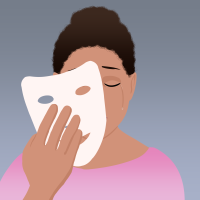
Understanding Autism and Masking: Why It Matters for Everyone
Masking—sometimes called “camouflaging”—is a daily reality for many autistic people. While all humans adjust parts of themselves to fit into social situations, autistic masking is far more intense and often far more harmful. The National Autistic Society explains this in Autistic people and masking, describing masking as a deeply ingrained survival strategy that can come at a high emotional cost.
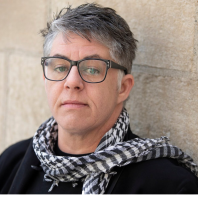
Dr. Hanna Belcher, an autistic researcher and advocate, notes that autistic individuals often feel pressured to mask throughout their lives. Because autistic norms may differ from those of the wider world, many feel compelled to hide natural behaviors to fit into a predominantly non-autistic culture.
What Masking Looks Like
Masking can appear in many forms, including:
- Suppressing stimming or other self-soothing behaviors that others may consider “odd.”
- Downplaying intense interests to avoid judgment.
- Mimicking social behaviors such as facial expressions, tone, or gestures.
- Using rehearsed social scripts to navigate conversations.
- Attempting to appear “non-autistic,” even when it requires tremendous effort.
For many autistic people, masking becomes not just a strategy but a lifelong expectation driven by social pressure and misunderstanding.
The Hidden Cost of Masking
Although some autistic individuals—especially women and AFAB (Assigned Female at Birth) people—become highly skilled at masking, this often comes with heavy emotional consequences.
Chronic masking is strongly associated with:
- Anxiety
- Depression
- Autistic burnout
- Identity loss
- Increased risk of suicidal thoughts or behaviors
Recent research shows that a significant number of people who attempt or die by suicide are on the autism spectrum, diagnosed or not. Dr. Belcher emphasizes that masking can prevent autistic individuals from becoming and expressing their authentic selves.
Reducing the Need to Mask
According to Dr. Belcher, “The best solution to reducing the need for autistic people to mask is to spread awareness to non-autistic people of different neurodiverse behaviours and thinking patterns.”
A more informed, accepting, and neurodiversity-aware society reduces the pressure to mask—and empowers autistic people to live authentically without fear of judgment. (more)