 info@aspergerworks.org
 351-208-9450
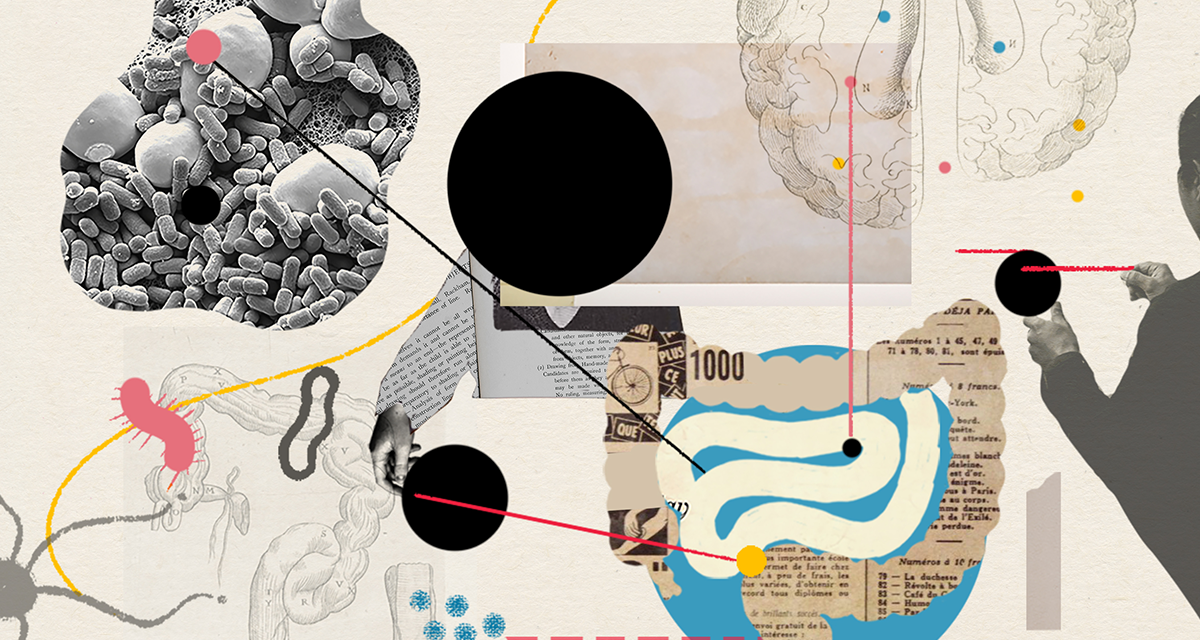
once you account for weak methods and flawed assumptions, “there’s nothing there.”
The idea that autism is closely linked to gut bacteria has recently gotten a lot of attention. A major research funder (Wellcome Leap) just announced a $50 million call for projects, and a 2024 Netflix documentary suggests that fecal transplants could help with autism traits.
But Kevin Mitchell, a genetics and neuroscience professor in Dublin, says he’s been skeptical for years. He and several colleagues were so frustrated by the hype that they reviewed more than 30 studies on the topic—mouse studies, human observational research, and clinical trials—and published their findings in Neuron. Their conclusion: once you account for weak methods and flawed assumptions, “there’s nothing there.”
Despite this, U.S. federal agencies have been investing about $20–$25 million per year in autism–microbiome research since 2018. Mitchell worries that funders assume the field rests on solid science when it doesn’t.
Mitchell walked The Transmitter through the major problems he sees in this research:
- “Quasi-replication”:
Different studies claim to show microbiome differences in autistic people, but the actual results often contradict each other. Referring to broad “dysbiosis” (an imbalance of microorganisms in the body, particularly in the gut, where beneficial microbes are reduced and harmful ones may increase) masks the fact that findings don’t align, which should lower confidence, not raise it. - Too much analytical freedom:
With hundreds of bacterial species and many ways to slice the data, researchers can almost always find something different, even by accident. Such exploratory findings should be treated as preliminary, not as proof. - Better-designed sibling studies show no differences:
The strongest observational studies compare autistic people to their neurotypical (describes a brain that functions and develops in a way considered standard within society) siblings, who share genes, diet, and home environment. These studies find little to no differences in microbiomes (communities of microorganisms, such as bacteria, fungi, and viruses, that live in a specific environment, including the human body). Machine-learning studies also fail when siblings are used as controls, suggesting that earlier “signals” may have come from confounding factors such as diet. - Sample sizes are far too small:
Extensive microbiome studies on other conditions require thousands of participants to detect real effects. Many autism–microbiome studies include only 10–20 people—numbers that generate noise rather than reliable results. - Mouse models are unreliable:
Germ-free mice already show “autism-like” behaviors, making it unclear what’s being tested. Human gut bacteria usually do not survive in mouse guts. And the idea of “autistic-like” mouse behavior isn’t well validated in the first place. - Clinical trials don’t support fecal transplants:
Three small, uncontrolled studies reported significant improvements, but these designs can’t rule out placebo effects or natural development over time. A larger, well-controlled study found no benefit.
Why does the idea persist?
Mitchell says people want a simple, treatable explanation for autism—a clean story that makes a complex condition feel manageable.
His advice for researchers, journalists, and funders: read the actual studies, not just the headlines, and be cautious about investing time, attention, and money in a field with so little solid evidence. (For the interview, see Going against the gut: Q&A with Kevin Mitchell on the autism-microbiome theory by Lauren Schenkman, contributing writer at The Transmitter.)